Start with The Art of Thinking Clearly for the fastest return, Emotional Intelligence for the foundation, and Influence if you want to understand why you keep saying yes. All three are in stock in Nepal, priced in NPR with cash on delivery.
Psychology is the shelf people browse longest and buy from worst, because the popular end of it is crowded with books that restate one idea for three hundred pages. The ones below are the exceptions: each teaches something specific you can name afterwards.
A note before the list. Several of these touch on anxiety and depression, and a book is a good companion but a poor clinician. If something is genuinely wrong, a book is a supplement to talking to someone qualified, not a replacement for it.
Prices are what we charge as of August 2026 and move with our supplier, so treat them as a guide rather than a quote.
Which psychology book gives the fastest return?
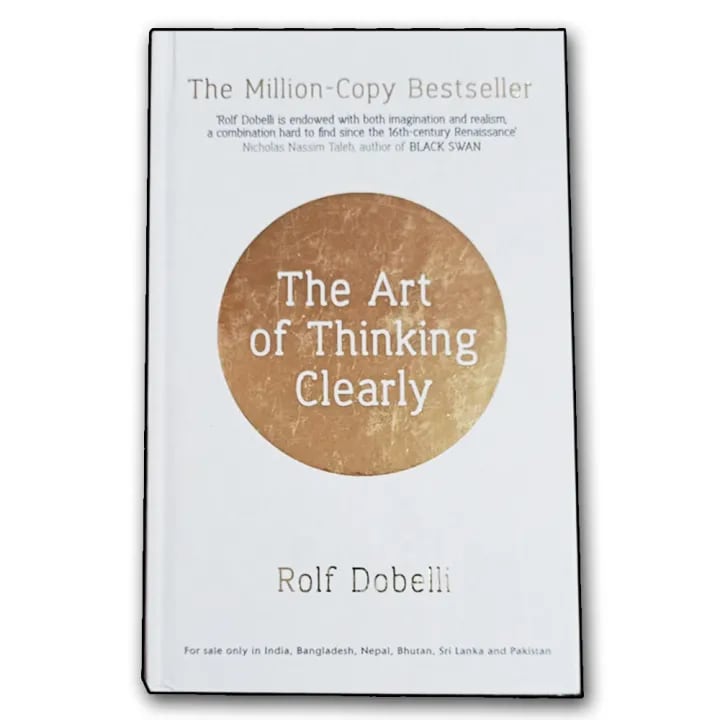
The Art of Thinking Clearly by Rolf Dobelli, around NPR 720. It is ninety-nine short chapters, each on a single cognitive bias, and you can read them in any order over months. Because each chapter is three pages, it survives a commute and a busy week better than anything else here — and you will catch yourself committing about a third of the errors within a week of reading it.
What is the best foundation to start with?
Emotional Intelligence by Daniel Goleman, around NPR 960. This is the book that put the idea into general circulation: that recognising and managing emotion predicts more about how a life goes than raw intelligence does. It is denser than the modern self-help that copied it, and better.
Which book explains why people say yes?
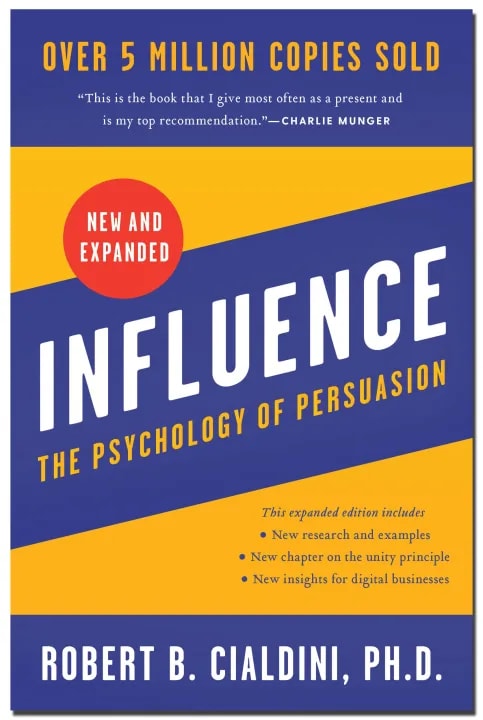
Influence: The Psychology of Persuasion by Robert Cialdini, around NPR 1,008. Six principles — reciprocity, commitment, social proof, authority, liking, scarcity — with the experiments behind each. Read it once to understand marketing, and a second time to notice how often it is being used on you. It is the most practical book on this page.
What should you read about anxiety?
Unwinding Anxiety by Judson Brewer, around NPR 1,296, treats anxiety as a habit loop and gives an actual method rather than reassurance. It is the most useful thing on this list for someone who is currently struggling.
Alongside it, I Want to Die but I Want to Eat Tteokbokki by Baek Sehee, around NPR 720, is not a self-help book at all — it is a transcript of a young woman's sessions with her psychiatrist, and its value is recognition rather than instruction. Many readers find it the first honest description of low-grade depression they have read.
The Mountain Is You by Brianna Wiest, around NPR 576, sits between the two: gentler, more aphoristic, and popular for a reason, though it is the least rigorous book here.
Is there anything on memory and mastery?
Two, both unusual:
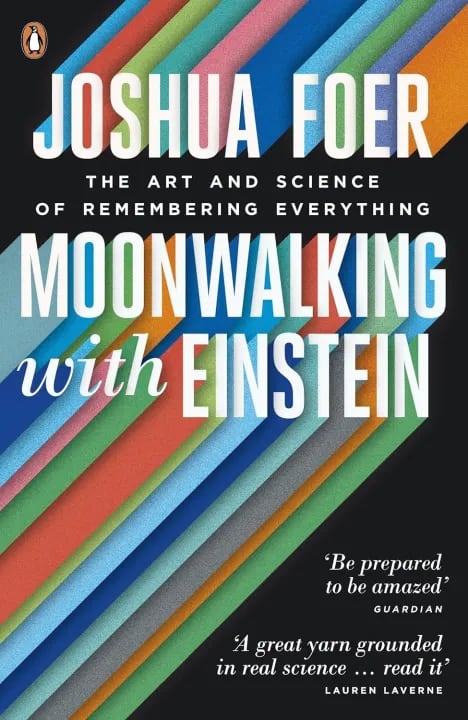
- Moonwalking with Einstein by Joshua Foer, around NPR 1,152. A journalist covers the world memory championship, gets drawn in, and wins it a year later. It is reportage that happens to teach you the techniques.
- Mastery by Robert Greene, around NPR 1,440. Long, and built on biographies of people who became exceptionally good at something. Read it for the pattern across the lives rather than the advice.
What about relationships?
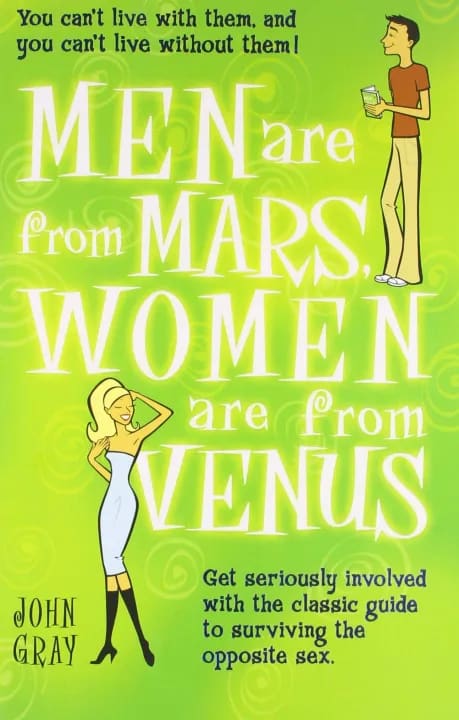
Men Are From Mars, Women Are From Venus by John Gray, around NPR 720, remains the most-read relationship book in the world. It is worth knowing that its central premise — that the sexes differ fundamentally in communication style — is contested by later research, and it reads as very much of its era. Take it as one lens, not a finding.
For something closer to literature, Veronika Decides to Die by Paulo Coelho, around NPR 576, is a novel set in a psychiatric hospital that does more with the subject than most non-fiction manages.
What order should you read them in?
The Art of Thinking Clearly first, because it is the easiest to finish. Then Influence, which is the most immediately useful. Then Emotional Intelligence as the foundation under both. Everything else on this page is a branch off those three.
Frequently asked questions
Are these academic textbooks? No. These are books written for general readers. Academic psychology texts are a different shelf and mostly a different price.
Which one helps most with focus and habits? Unwinding Anxiety for the mechanism behind habits, and The Art of Thinking Clearly for the decision errors that break them.
Can I pay on delivery? Yes, cash on delivery across all seven provinces — typically 1 to 2 days inside the Kathmandu Valley and 3 to 5 days elsewhere.
Browse the full psychology shelf and self-help, or see everything in stock.