

Unknown
In stock · ships today from Kathmandu
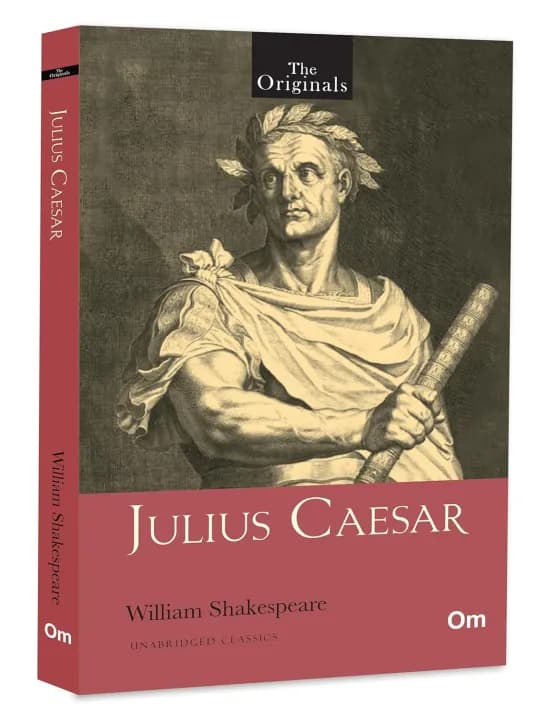
“Cry havoc and let slip the dogs of war.” Julius Caesar, a tragedy in five acts, by English playwright and national poet, William Shakespeare, was written between 1599–1600 and published in the First Folio of 1623. The play is one of several penned by Shakespeare based on actual events from Roman history such as Antony and Cleopatra, Coriolanus and Titus Andronicus. Set in Rome, Julius Caesar depicts the moral dilemma of Caesar’s friend, Brutus, as he considers joining a conspiracy led by Cassius. Brutus is conflicted between friendship and his deep love for the country but eventually decides to become part of the plot and murder Caesar, Rome’s prominent military leader and statesman, in order to prevent him from becoming the dictator of the republic. The assassination of Caesar goes on to ignite civil war in the Roman republic. The celebrated play is an incisive study on the nature of ambition, power, and patriotism and their impact on the human psyche. About the Author Prolific English dramatist and national poet William ShakeSpeare (1564–1616) was born in Stratford-upon-Avon, Warwickshire, England. He lived in London for 25 years and wrote most of his plays there. The author of 37 plays and 154 sonnets, Shakespeare is considered the greatest dramatist in the English language. Adept at both tragedy and comedy, the bard of Avon encompassed in his plays an incredible range of human emotions as well as mystery, magic, and romance. He wrote tragedies, comedies and historical plays, and also performed on stage with the actors of the Lord Chamberlain’s Company. The wordsmith left an indelible mark on the English language and invented several words which remain in use today. Shakespeare’s widely-adapted tragedies include Macbeth, Hamlet, King Lear, and Othello and his comedies include All’s Well That Ends Well, As You Like It, The Comedy of Errors, The Merchant of Venice, and A Midsummer Night’s Dream.
No reviews yet — be the first to share your thoughts.
No questions yet — be the first to ask about this book.