-10%

 -10%
-10%Sam Cowan
In stock · ships today from Kathmandu
Book : Maharajas, Emperors, Viceroys, Borders: Nepal's Relations North and South Author : Sam Cowan The book covers the entire period of Nepal’s history, from the Gorkha unification of the country in the late eighteenth century to the end of the Shah monarchy in 2008, with the creation of a Federal Democratic Republic. Each chapter takes a particular historical episode and, with the aid of previously unexploited archives, digs deep beneath the surface to reveal the hidden underlying dynamics, leaving us to revise our vision of events that we wrongly thought we had previously understood. General Sir Sam Cowan has a near-obsessive commitment to getting to the truth of any situation, and he takes no prisoners. Presenting irrefutable evidence at every step, and delivering it in the clear narrative style of a true storyteller who knows how to keep his audience spellbound, the author lays bare the ambitions of Nepal’s rulers with the same ruthless clarity that he brings to bear on the machinations of other interested nations — Great Britain, India, China and the United States. His severity with the intrigues of politicians and foreign powers is matched by well-founded praise for a few committed leaders, but above all by an overwhelming respect for the ordinary people of Nepal—Charles Ramble, Professor of Tibetan History and Philology, EPHE-PSL University, Paris. Author of The Navel of the Demoness: Tibetan Buddhism and Civil Religion in Highland Nepal This is General Sir Sam Cowan at his absolute best: blending rich, historical detail with penetrating political insight. In just eight chapters, Cowan weaves dextrously between the present and the past, with an ever-attentive eye for obscure but important details that others have missed. All the more impressive for a career soldier, Cowan's focus is on exploring motivation, rupture, irony and happenstance, making him more of an ethnographer of geopolitical systems than a narrator of regular military history. Historical truth and its evidential basis are Cowan's drivers, and his writing is lyrical and engaging. Returning to a series of previously published essays, Cowan's signature style is on full display, tackling complex topics with wholehearted enthusiasm tempered by the experience of a general. The result is a potent and exhilarating book, one that should be read by all who are interested in Nepal's unique political history and place in the world— Dr. Mark Turin, socio-cultural anthropologist and Associate Professor at the University of British Columbia Sam Cowan has a unique position as a historian of Nepal. His long service in the Gurkhas wove the country into his soul and his great seniority gave him access to monarchs and politicians during the great upheavals of the early part of the century. He knows the vital pressure points in this young nation’s history. He also knows the arcane strangeness of the British establishment and where to dig for its treasures. It’s fair to say that Cowan’s expeditions into the archives have seen him return with armfuls of booty. This collection features some of these critical moments: what the British wanted in the aftermath of its war with Gorkha, what the Qing dynasty thought about this, and the precise fate of Nepal’s western border. Modern Nepali nationalists leaning on history in their complaints against India will find little support in Cowan’s meticulous account. He writes too of another pivotal moment: the writing and promulgation of Nepal’s 1959 constitution, which brought BP Koirala to power as the nation’s first properly elected prime minister, and how King Mahendra almost immediately snuffed out this great step forward in the country’s development. The final essays on the earlier Rana dynasty’s obsession with baubles and badges from the British government are both funny and grotesque: Cowan understands how to read between the lines of foreign office memos to reveal the vanities of these all-powerful autocrats— Ed Douglas, journalist and author of Himalaya: A Human History

Kautilya - A Masterpiece On Economic Policies | Ancient Indian Political Philosophy | Hindu Spiritual Wisdom | Timeless Teachings | Practical Guidance
No reviews yet. Be the first to share your thoughts.
No questions yet. Be the first to ask about this book.
Mahendra Lawoti


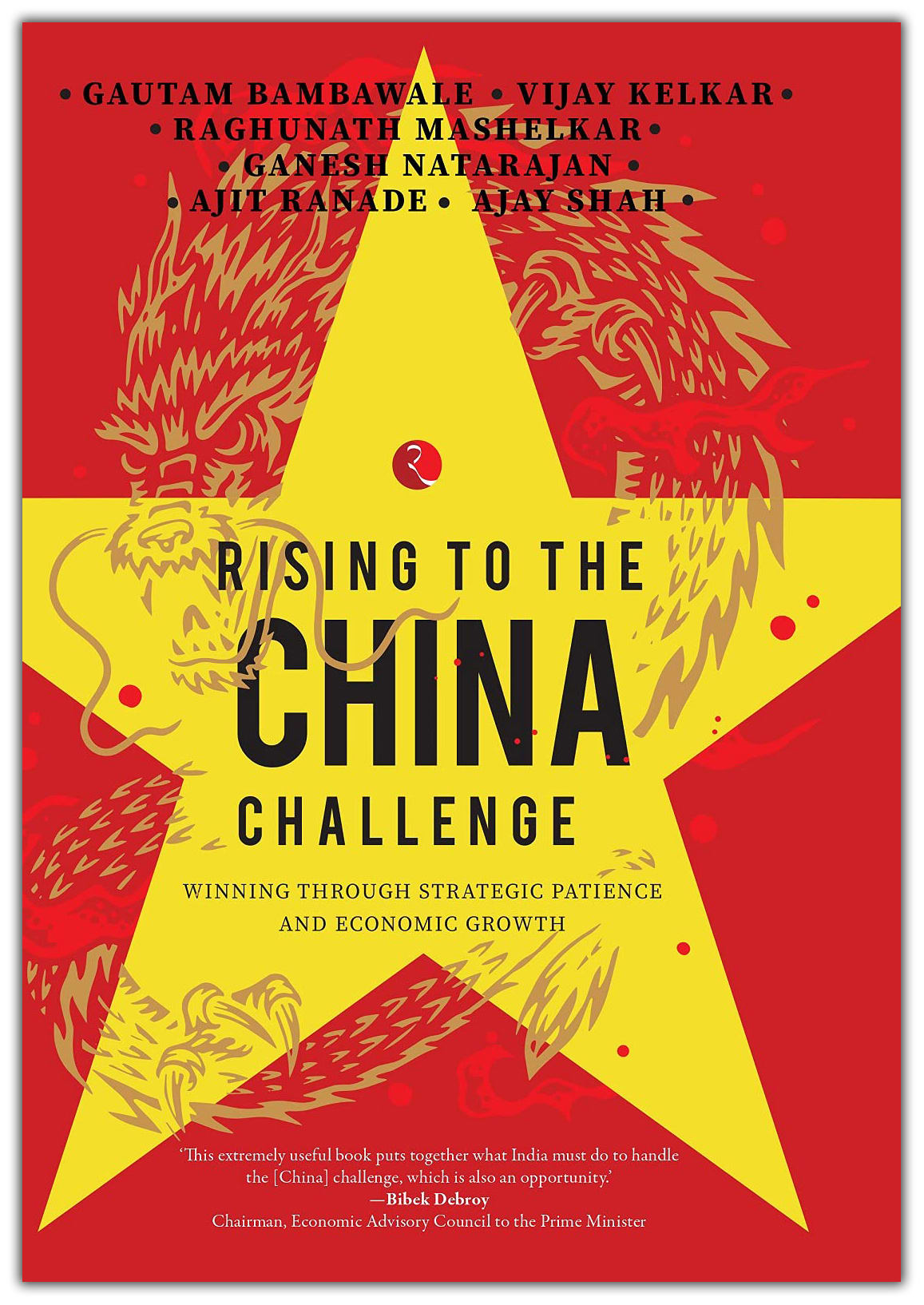
Gautam Bambawale, Vijay Kelkar, Raghunath Mashelkar, Ganesh Natarajan, Ajit Ranade & Ajay Shah